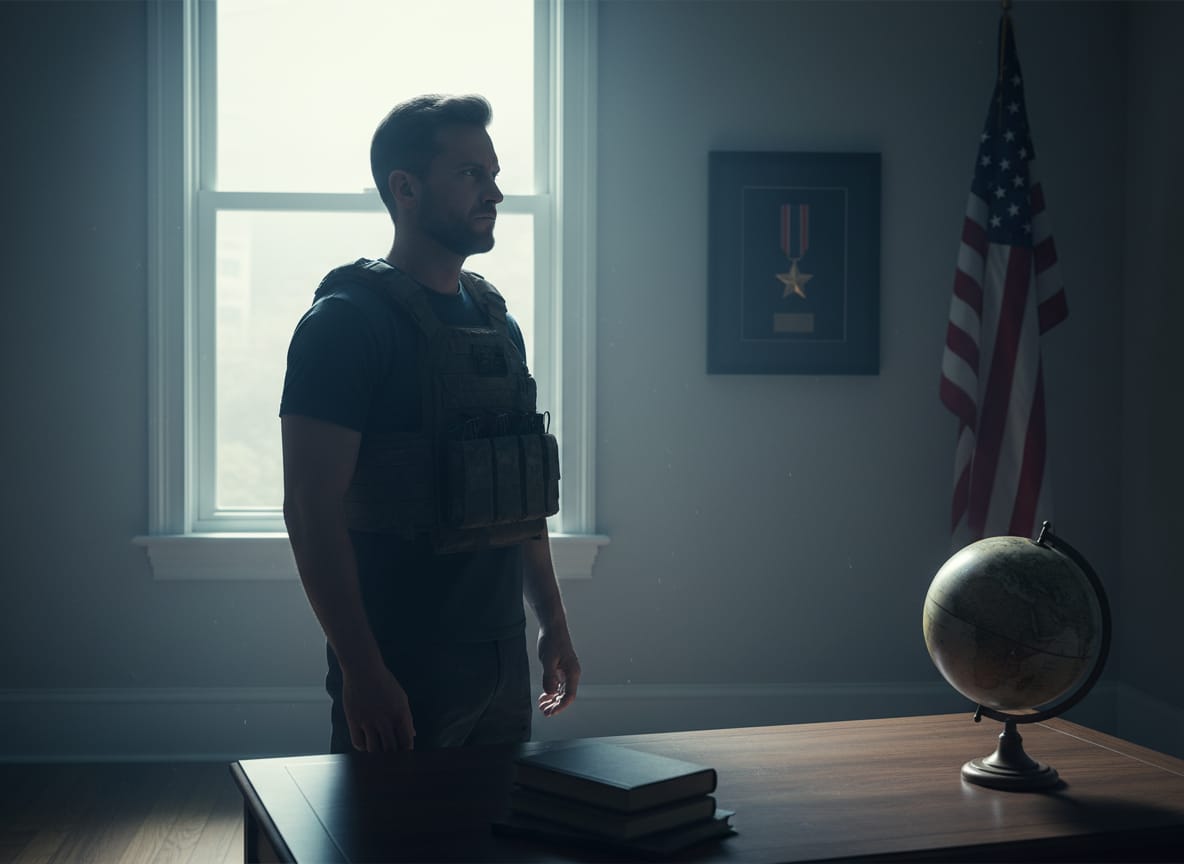
I carry the Constitution everywhere. I don’t need to open it to know what’s inside.
Let me tell you something about pocket constitution rights that most Americans have forgotten: the Founding Fathers were very clear. About everything. I know this because I carry a copy of the Constitution in my pocket at all times. I’ve carried the same copy for six years now. It’s still in the original plastic wrapper because I don’t want to damage it. However, I know what it says. The important parts, anyway.
The Second Amendment? Memorized. “Shall not be infringed.” That’s the whole thing, basically. Furthermore, the First Amendment protects my right to say whatever I want, wherever I want, without consequences. I’m pretty sure that’s in there. Additionally, there’s something about quartering soldiers that doesn’t come up much, but I’m aware of it.
As a small business owner—I run Wade Buckner HVAC Services, twenty-three years and counting—I understand both the heating and cooling needs of American homes *and* the foundational principles of our republic. Consequently, when someone violates my pocket constitution rights, I know it instinctively. I don’t need to look it up.
What The Founders Actually Intended
Here’s what people don’t understand about the Founders: they were basically modern conservatives, just wearing wigs. George Washington would have been against income tax. Thomas Jefferson definitely would have owned a truck. Our Founders created this country so that men like me could run HVAC businesses without government interference.
Some people cite specific articles and amendments I haven’t personally reviewed. However, that’s missing the forest for the trees. The Constitution isn’t about *details*. It’s about *principles*. The principle is freedom. Freedom from regulations. Freedom from permits. Freedom from that inspector who keeps saying my ductwork “doesn’t meet code.” Sir, my ductwork meets the only code that matters: the United States Constitution.
My wife Linda listens to me explain this at dinner most nights. She makes supportive noises. Similarly, my customers hear about constitutional principles when I service their units. As my colleague Brent Flagstone often says, you don’t need a fancy education to understand America. You need common sense. And a laminated pocket Constitution. Which I have, still sealed, in my left front pocket right now.
Unconstitutional Violations Everywhere
The word “unconstitutional” gets thrown around a lot these days, but most people don’t know what it means. I do. It means “things I don’t like.” Furthermore, when I encounter something I don’t like, I check it against my understanding of the Constitution, and it’s usually unconstitutional. Mask mandates? Unconstitutional. Speed limits in school zones? Probably unconstitutional. That homeowner who disputed my invoice? His behavior was almost certainly unconstitutional, and I told him so.
Now, some might say: “Wade, have you actually read the entire Constitution?” To which I respond: have *you*? Exactly. Nobody has. It’s very long. There are amendments. Some of them got repealed. It’s complicated. However, the *spirit* of the document is simple, and I carry that spirit with me everywhere—along with my physical, unopened copy.
The Founders didn’t write the Constitution so lawyers could argue about it. They wrote it so regular Americans—HVAC technicians, plumbers, electricians—could understand their pocket constitution rights without a law degree. That’s the genius of the document. It’s self-explanatory to anyone with common sense.
I may not have read every word. But I’ve read the words that matter. And the Founders would be proud of what I’m doing with them.
About the Author