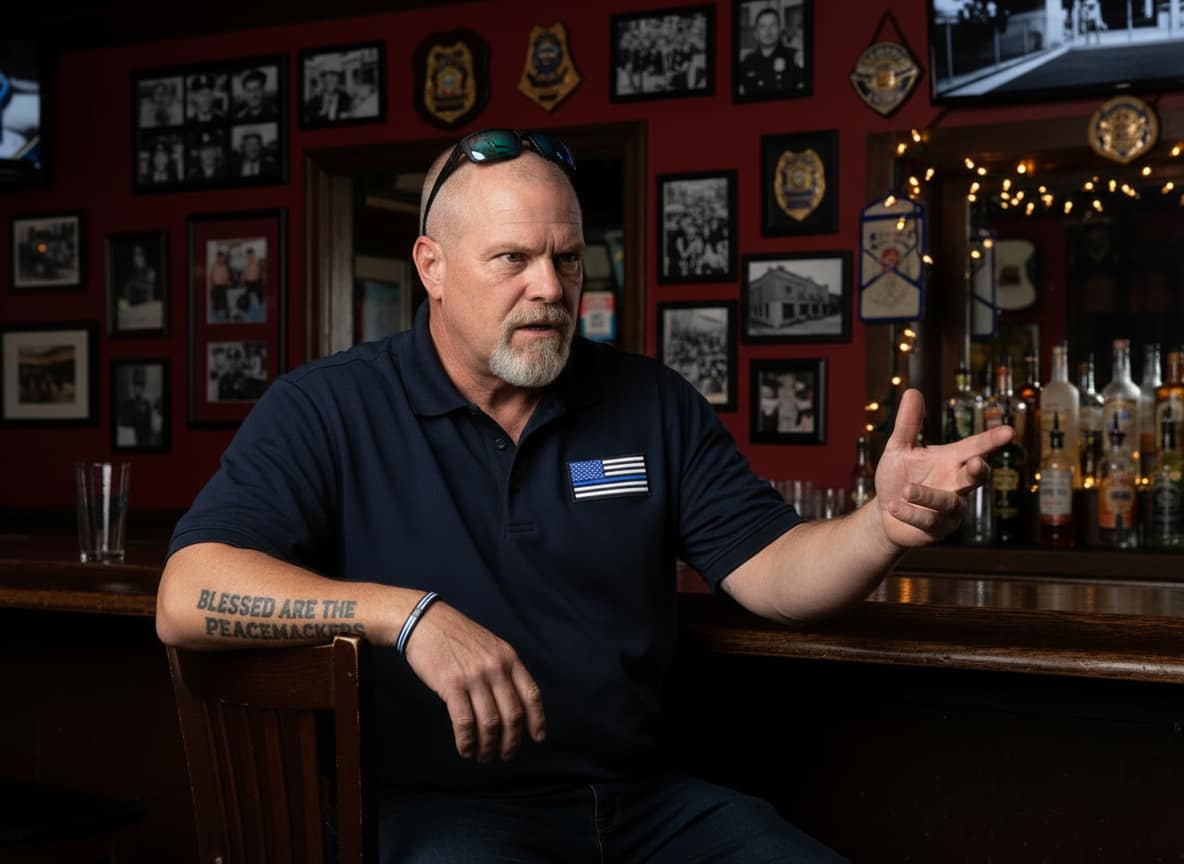
Twenty-three years in law enforcement taught me that sometimes you have to let a few things slide for the greater good
I spent twenty-three years wearing a badge, and one thing I learned is that people who have never done the job love to second-guess the people who have. The New York Times editorial board just published a long piece about Jan 6 pardons recidivism—twelve people out of nearly 1,500 who have been charged with new crimes. The Times wants you to think that’s a scandal. I want you to think about what twelve out of 1,500 actually means. That’s less than one percent. In my department, we had worse numbers than that just among guys who made it through the academy.
Now, do I love everything on that list? No. The child molestation cases turn my stomach. Andrew Paul Johnson getting life in prison for what he did to those kids—good. That’s the system working. But you don’t blame the president for what one sick individual does after he’s released. You blame the individual.
The Badge Doesn’t Lie
Here’s what the Times won’t tell you: some of these people had problems long before January 6th. Robert Packer had a criminal record going back years. Zachary Alam had prior convictions for auto theft. Jonathan Munafo was already making threatening phone calls. These aren’t people the pardons created. These are people the system already knew about and failed to manage. I saw it all the time on the job. You arrest the same guy three, four, five times, and the courts keep putting him back on the street. That’s not a pardon problem. That’s a revolving door problem, and I have been saying this since before it became fashionable.
The Times also brings up the rioters who assaulted police officers on January 6th. I want to be clear about something: I back the badge. Always have. Three Internal Affairs investigations, and I was cleared every time—well, settled, which is the same thing. Those officers at the Capitol took a beating, and nobody who wears the uniform should have to go through that.
The Jan 6 Pardons Recidivism Numbers
But here’s the part nobody wants to hear. A blanket pardon is a blunt instrument. You don’t get to sort 1,500 cases one by one when you’re trying to right a wrong. Some of those people spent years in prison waiting for trials that kept getting delayed. Some of them lost their jobs, their families, their homes. My second wife left during my third IA investigation, and I can tell you from personal experience that the system doesn’t care what it takes from you on the way to clearing your name.
The Times lists a guy whose dogs attacked people. A guy who stole copper wire. A guy who got shot by a deputy during a traffic stop days after being pardoned. Are these tragedies? Sure. But are they evidence that the pardons were wrong? CREW can run their investigations. The editorial board can wring its hands. It won’t change the fact that the Jan 6 pardons recidivism rate is a rounding error, and 1,488 of those pardoned individuals are out there living their lives, and nobody’s writing a story about them.
You give people a second chance, and most of them take it. Some of them don’t. Twenty-three years taught me that you can’t save everyone, and you can’t let the ones you couldn’t save stop you from doing what’s right for the ones you can. I’ve seen how this ends.
About the Author


