Internal FBI document reveals agents fired experimental weapon at four “Happy Valentine’s” balloons without coordinating with FAA, military command, or anyone who could identify a balloon
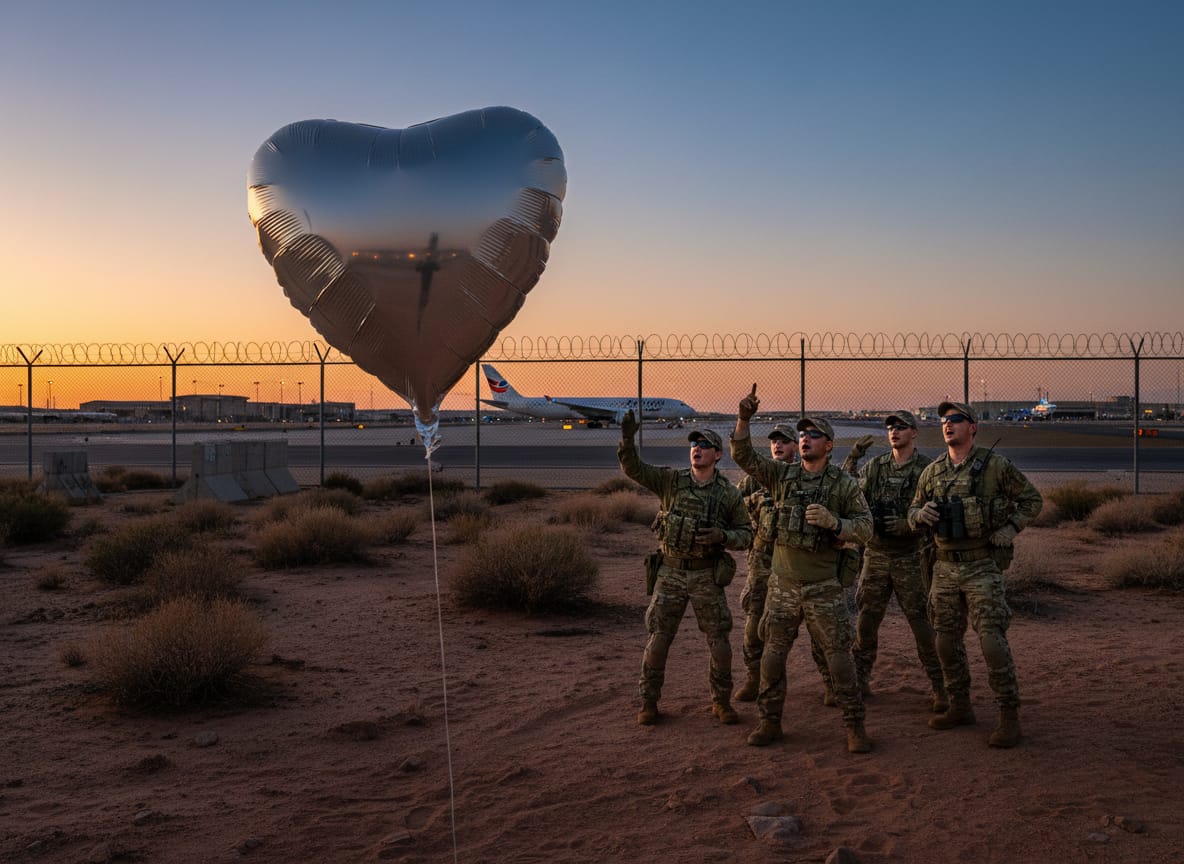
Customs and Border Protection agents used a military-grade antidrone laser to shoot down four mylar party balloons near El Paso this week, triggering the first major airspace closure over an American city since September 11, 2001. The CBP balloon laser strikes—carried out without notifying the FAA, U.S. Northern Command, or the Fort Bliss installation commander—grounded all flights below 18,000 feet over a metropolitan area of 700,000 people, including medical helicopters.
“The Department of War and the Department of Transportation have been working together for months regarding drone incursion operations,” a White House official said Wednesday. “Last night’s action to disable the cartel drones was not a spontaneous action.” The objects were balloons.
The CBP Balloon Laser: Four Shots, Zero Phone Calls
An internal FBI document detailed the CBP balloon laser operation: personnel fired the Pentagon-loaned directed-energy weapon at four “Happy Valentine’s” balloons they believed to be cartel drones. Defense Secretary Pete Hegseth had authorized the loan in recent weeks. The agents received training from the U.S. military before operating the weapon near Fort Bliss.
The FAA learned of the strikes only after they occurred. Administrator Bryan Bedford imposed a 10-day restriction—warning pilots that violators could face “deadly force”—without notifying the White House, Pentagon, or DHS. Medical evacuation flights were diverted 45 miles to Las Cruces.
A Weapon Without a Culture
Retired Lt. Gen. Mark Hertling, former commander of the 1st Armored Division at Fort Bliss, wrote in The Bulwark that the incident reflects the danger of handing military weapons to agencies without the institutional discipline that governs their use. From a soldier’s first day with a rifle, Hertling noted, the principle is constant: know what’s beyond your target. A laser that passes through its target keeps traveling—potentially into the flight path of commercial aircraft.
The military integrates every air-defense system into joint fires procedures and airspace coordination before it is ever used, Hertling wrote. CBP received the equipment without any of that.
Conflicting Accounts and Cartel Claims
Transportation Secretary Sean Duffy credited the FAA and Defense Department with acting “swiftly to address a cartel drone incursion.” Mexican President Claudia Sheinbaum said she had no information about any cartel drones near the border. Northern Command was unaware CBP had fired the weapon. Fort Bliss leadership said the closure “came as a surprise.” The FAA administrator, called to Capitol Hill, declined to answer questions.
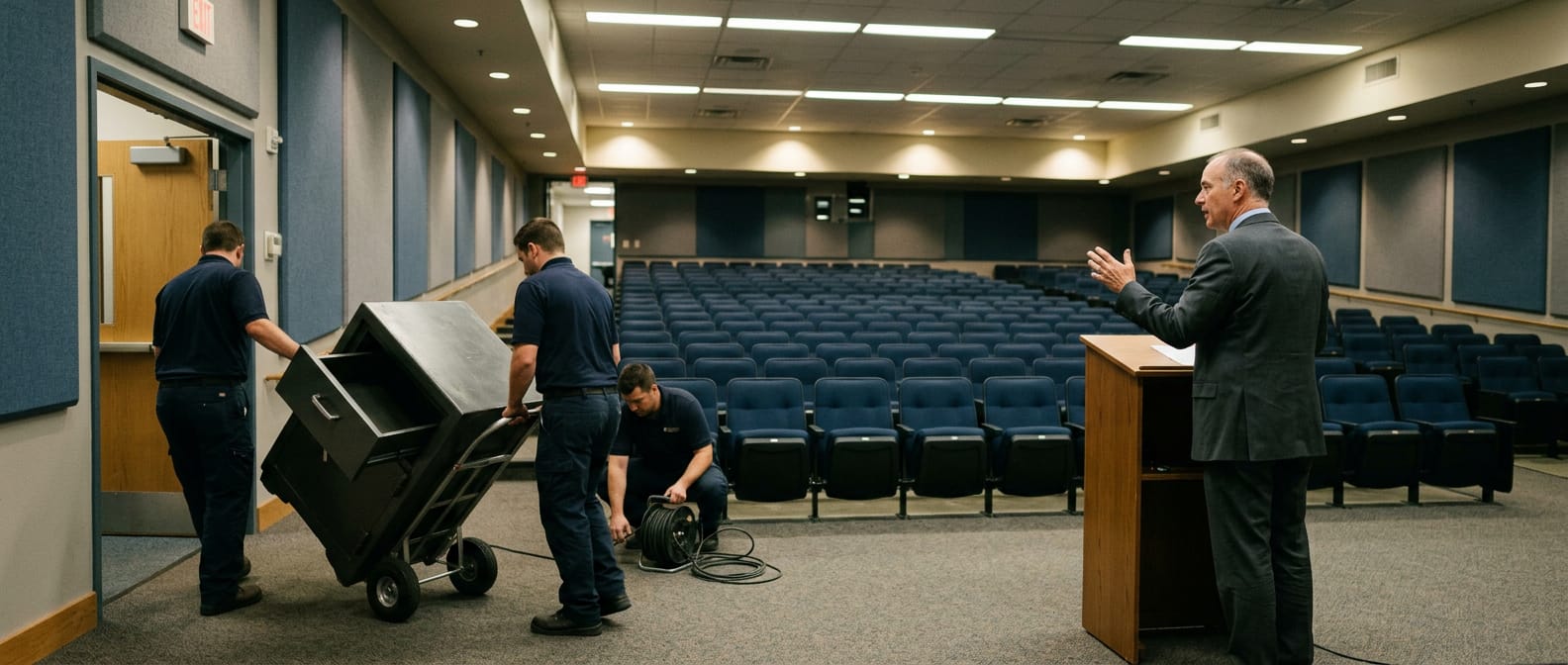
El Paso Mayor Renard Johnson called the closure unnecessary. “You cannot restrict airspace over a major city without coordinating with the city, the airport, the hospitals, the community leadership,” he said. His police department learned about the grounding from residents texting them.
CBP’s use of the military laser has been suspended pending a February 20 meeting to discuss how the weapon and commercial aviation might coexist. Developing.
About the Author