Trump-appointed judge permanently bars release of special counsel findings in case she threw out, citing her own prior ruling as precedent
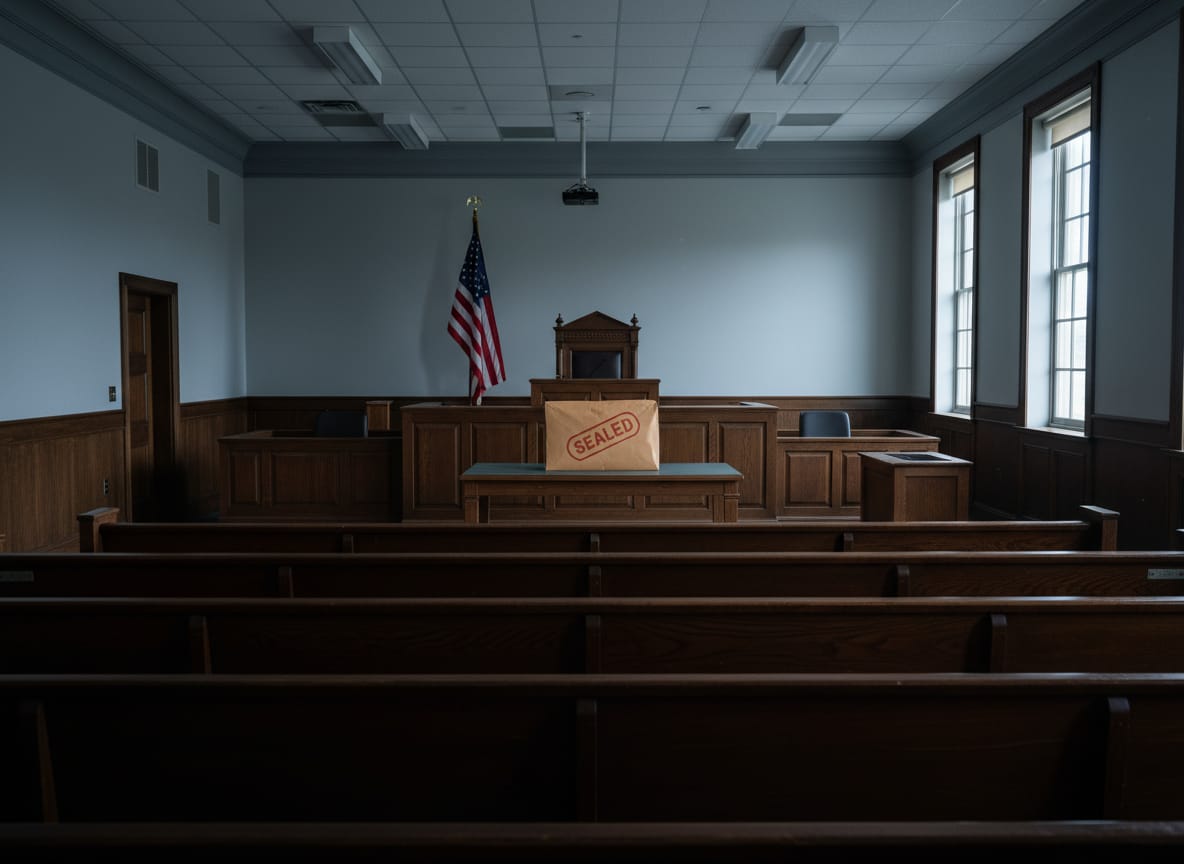
U.S. District Judge Aileen Cannon on Monday permanently blocked the release of Volume II of former Special Counsel Jack Smith’s final report, ruling that a document produced by an office she previously declared unlawful should not be shared with the public whose laws it investigated.
The decision, which Cannon described as ruling on “unopposed” motions, came one day before the report had been scheduled for release. The motions were unopposed because Attorney General Pam Bondi’s Justice Department had already determined the report should stay buried, making the legal proceedings something of a formality in which all parties present agreed with each other.
“Special Counsel Smith, acting without lawful authority, obtained an indictment in this action and initiated proceedings that resulted in a final order of dismissal of all charges,” Cannon wrote in her 15-page order. The final order of dismissal she referenced was her own.
A Timeline of Agreement
Cannon, who was appointed to the bench by President Trump in 2020, has presided over his classified documents case since the indictment landed on her desk in June 2023. She dismissed that case in July 2024, ruling Smith’s appointment unconstitutional—a position shared by zero of the eight other federal judges who considered the question.
Smith had appealed that dismissal but dropped it after Trump won reelection, noting the withdrawal was not based on the merits. Cannon’s ruling, never tested on appeal, now serves as the sole foundation for blocking the report.
In a separate order, Cannon also denied a motion from American Oversight and the Knight First Amendment Institute to intervene—the only parties that have been pushing for public disclosure since the DOJ switched sides.
Delays, Then More Delays
The path to Monday’s ruling involved what the Eleventh Circuit diplomatically characterized as “undue delay” on Cannon’s part. The transparency groups’ motions sat unresolved for over seven months before the appeals court gave Cannon 60 days to rule last November. She used nearly all of them—not to lift the injunction, but to give Trump a window to file motions asking her to keep it in place.
Trump obliged in January, requesting the court block release of the report prepared by the “so-called ‘Special Counsel.'” The Justice Department did not oppose. Neither did Cannon.
Cannon ruled that releasing the report would constitute “manifest injustice” to the former defendants. She also chided Smith for writing it at all—though federal regulations require special counsels to provide final reports upon concluding their work.
What Happens Next
An appeal is expected, though not from the Justice Department. American Oversight and the Knight Institute will likely raise the issue through their preexisting appeal at the Eleventh Circuit, where oral arguments are not scheduled until June.
Cannon declined a request from co-defendants Nauta and De Oliveira to destroy the report entirely, granting their motion only “in part.” The report will continue to exist. The public simply cannot read it.
Previous special counsel reports, including Robert Hur’s findings on President Biden’s handling of classified documents, were released as a matter of course. But those investigations either declined to bring charges or resulted in convictions—not in dismissals issued by the judge now blocking the report.
About the Author


